

Body Image Therapy in Hamilton, Ontario
Body image concerns can occupy an enormous amount of mental space.
When Your Appearance Becomes Difficult to Stop Thinking About
Body image concerns can occupy an enormous amount of mental space.
A person may spend significant portions of the day evaluating their appearance, comparing themselves with other people, checking mirrors or photographs, adjusting clothing, monitoring how their body looks from different angles, or thinking about what they should change. For others, the pattern is more avoidant. They stay away from mirrors, photographs, swimming, intimacy, certain clothes, social events, or situations in which they expect to feel exposed.
Both patterns can be distressing. What begins as dissatisfaction with one aspect of appearance can gradually become a broader way of evaluating the self.
Many people understand intellectually that their appearance should not determine their worth, yet continue to feel as though it does. Compliments provide temporary reassurance but rarely settle the concern for long. A photograph can affect mood for the rest of the day. Seeing someone with a particular body type can trigger immediate comparison. Clothing that fits differently can produce disproportionate distress even when nothing meaningful has changed.
Body image difficulties are not simply vanity or excessive concern with appearance. They can involve shame, anxiety, perfectionism, identity, social evaluation, and deeply learned beliefs about what a person must look like in order to feel acceptable.
It does not look the same for everyone.
These are some of the ways people describe it. You do not need to recognise all of them, and recognising several does not by itself mean a diagnosis.
- Frequent comparison with other people
- Repeated mirror or photo checking
- Seeking reassurance about appearance
- Avoiding mirrors, photos, or events
- Changing outfits repeatedly
- Self-worth tied closely to appearance
Body Image Is More Than How You Think You Look
Body image refers to much more than whether someone likes their appearance.
It includes how a person perceives their body, how much attention they devote to it, the emotions attached to appearance, the beliefs they hold about what their body means, and the behaviours they use to manage discomfort.
Someone can have relatively ordinary dissatisfaction with particular features while still participating fully in life. At the other end of the spectrum, appearance can become a central organizing concern.
Body image difficulties may involve:
The amount of distress and interference matters more than whether another person agrees that the concern is justified.
Why Checking Can Make Body Image Worse
One of the less intuitive features of body image difficulties is that attempts to feel more certain about appearance often increase preoccupation.
Mirror checking is a good example. Someone feels uncertain about how they look and checks the mirror. For a brief period, they may feel reassured. Soon afterward, doubt returns and another check feels necessary.
Other times, checking produces the opposite outcome. Attention narrows onto a disliked feature and the person examines it from multiple angles, under different lighting, or at different distances. The longer they look, the more significant the perceived flaw becomes.
The problem is partly attentional. Human perception is influenced by what we repeatedly search for. If someone spends considerable time examining one aspect of their appearance, the brain becomes highly efficient at noticing it.
Comparison can work similarly. A person walks into a room and immediately identifies who is thinner, more muscular, younger, taller, more attractive, or closer to the standard they believe they should meet. Over time, this selective attention creates a distorted impression that everyone else possesses the very quality they lack.
Reassurance can also become part of the cycle. Being told that you look good may reduce anxiety for a while, but if confidence depends on repeated confirmation from other people, reassurance rarely produces durable change.
Treatment helps people recognize these patterns and gradually reduce the behaviours that keep attention centred on appearance.
Avoidance Can Be Just as Powerful as Checking
Not everyone with body image concerns spends hours in front of a mirror.
Some people manage distress by avoiding anything that makes them aware of their body.
They may refuse photographs, avoid being seen in certain clothes, stay away from beaches or pools, avoid dating, dim the lights during intimacy, or decline activities where they cannot control how they will look.
Avoidance provides understandable short-term relief. If being photographed produces intense shame, avoiding photographs removes the immediate distress.
The longer-term cost is that the feared situation never has an opportunity to become more tolerable. Life begins narrowing around appearance concerns, and the person receives less evidence that they can participate even while feeling imperfect or self-conscious.
Effective body image treatment often involves gradually reducing both checking and avoidance. The objective is not indifference to appearance. It is greater freedom from the need to continually monitor, correct, conceal, or escape the body.
Appearance Can Become Tied to Self-Worth
Body image concerns become particularly painful when appearance carries meaning beyond aesthetics.
A person may believe that being thinner would make them more confident, being more muscular would make them respected, looking younger would protect them from rejection, or correcting a particular feature would finally allow them to feel comfortable socially.
These beliefs often develop within a broader cultural environment that rewards certain bodies and stigmatizes others. Experiences of bullying, criticism, weight stigma, racism, gender expectations, appearance-based teasing, illness, disability, sexualization, or major body changes can all shape the way someone learns to experience their body.
Personal history matters as well. Appearance may become one of the areas through which perfectionism is expressed. Someone who has learned to measure worth through achievement can begin applying the same standard to the body. There is always another improvement to make and another flaw to correct.
The underlying standard is often unstable. Reaching one goal rarely produces lasting peace because the criteria shift. Another area becomes important, another comparison appears, or the person becomes frightened of losing what they have achieved.
Treatment can help loosen the connection between appearance and global self-worth while acknowledging that body image exists within a culture that does place real value on appearance.
Body Dysmorphic Disorder
For some people, appearance concerns reach the level of Body Dysmorphic Disorder, or BDD.
BDD involves significant preoccupation with one or more perceived flaws or defects in appearance that are either not observable to other people or appear relatively minor. The person also engages in repetitive behaviours or mental acts related to the concern, such as checking mirrors, comparing themselves with others, seeking reassurance, grooming excessively, or trying to conceal the feature.
BDD can cause substantial impairment. People may avoid school, work, relationships, photographs, social events, or intimacy because of the perceived flaw. Some pursue repeated cosmetic procedures but remain distressed afterward because the underlying preoccupation has not changed.
BDD should not be dismissed as ordinary insecurity. It is a significant mental health condition and requires appropriate psychological assessment and treatment.
At the same time, not everyone distressed about appearance has BDD. Body dissatisfaction can occur in eating disorders, depression, anxiety, trauma, gender-related distress, and many other contexts. Assessment helps determine what process is actually driving the concern.
Body Image and Eating Disorders Overlap, but They Are Not the Same
Body image difficulties commonly occur alongside eating disorders, but the two should not be treated as interchangeable.
Someone can experience severe body dissatisfaction without restricting, bingeing, purging, or engaging in other eating disorder behaviours. Conversely, some eating disorder presentations are not primarily organized around body image.
When eating disorder symptoms are present, treatment needs to address nutrition and eating behaviour directly. Body image work alone is not sufficient.
When body image is the primary concern, treatment can focus more specifically on checking, comparison, avoidance, shame, self-worth, perceptual attention, and the person's relationship with their body.
The distinction matters because treatment should target the mechanism that is actually maintaining the problem.
Body image concerns can occupy an enormous amount of mental space.
Emotion-Focused Therapy for Body Image Concerns
Body image difficulties often involve powerful emotions beneath the appearance concern.
Shame is particularly common. Someone may not simply dislike a feature but feel embarrassed by being seen, convinced that their appearance exposes something inadequate about them.
Fear can also play a role. The person may be afraid of rejection, judgment, aging, weight change, loss of desirability, or no longer fitting an identity they have worked hard to maintain.
There may also be grief. Bodies change through aging, pregnancy, illness, injury, medication, menopause, weight change, and ordinary development. People sometimes need space to grieve changes without being told that they should immediately celebrate or love them.
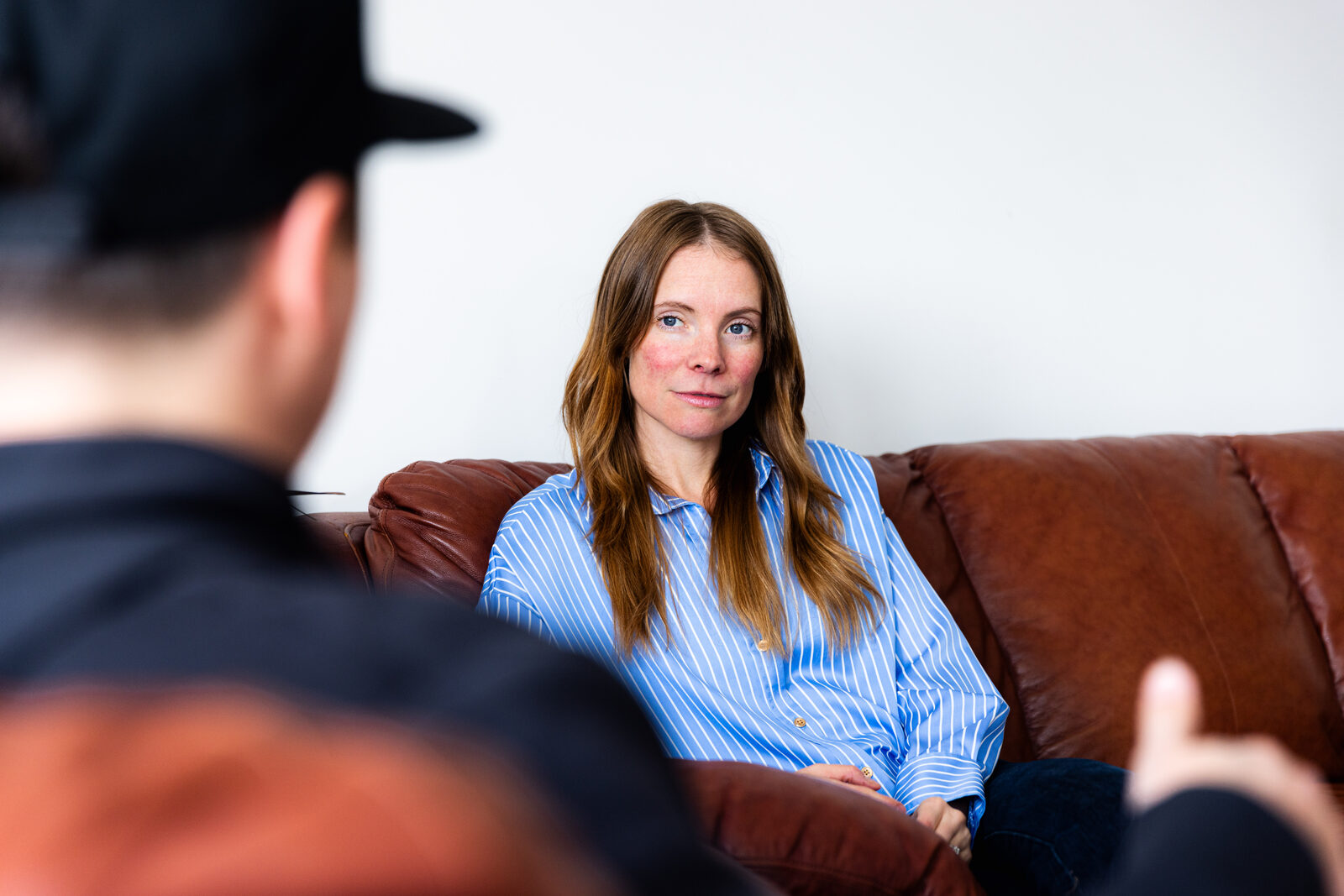
Emotion-Focused Therapy can help clarify these experiences and separate them from the constant evaluation of appearance. Treatment may involve working with shame and self-criticism, processing experiences of rejection or bullying, understanding the emotional meaning attached to the body, and developing a less adversarial internal relationship.
The goal is not to convince someone that they are attractive. That would simply keep appearance at the centre of the treatment.
The deeper objective is to reduce the extent to which appearance determines whether the person feels acceptable, safe, confident, or entitled to participate in life.
New emotional
experience
- Shame
- Anxiety
- Comparison
- Disgust
- Acceptance
From Body Positivity to Body Neutrality
People struggling with body image are often told they need to learn to love their body.
For many, this creates another unrealistic standard.
It is possible to spend years disliking your appearance and find affirmations about loving every part of yourself artificial or even irritating. Treatment does not require replacing negative evaluation with constant positive evaluation.
At eFIT, we generally work toward a more body-neutral relationship.
Body neutrality means reducing the amount of judgment directed toward the body and expanding the way the body is understood. Appearance becomes one aspect of physical experience rather than the primary measure of its value.
The body allows a person to move, work, rest, experience pleasure, recover, connect with other people, and participate in life. It also changes over time, often in ways that cannot be completely controlled.
A more neutral relationship makes room for days when someone feels confident about their appearance and days when they do not, without either state determining what they are allowed to do.
Movement and Body Image
Exercise can either improve or worsen body image depending on the meaning attached to it.
When movement is primarily used to change appearance, compensate for eating, or correct perceived flaws, the body can become an ongoing project. Exercise may increase rather than decrease preoccupation because every workout reinforces the idea that the body must be managed.
At eFIT, movement is approached differently.
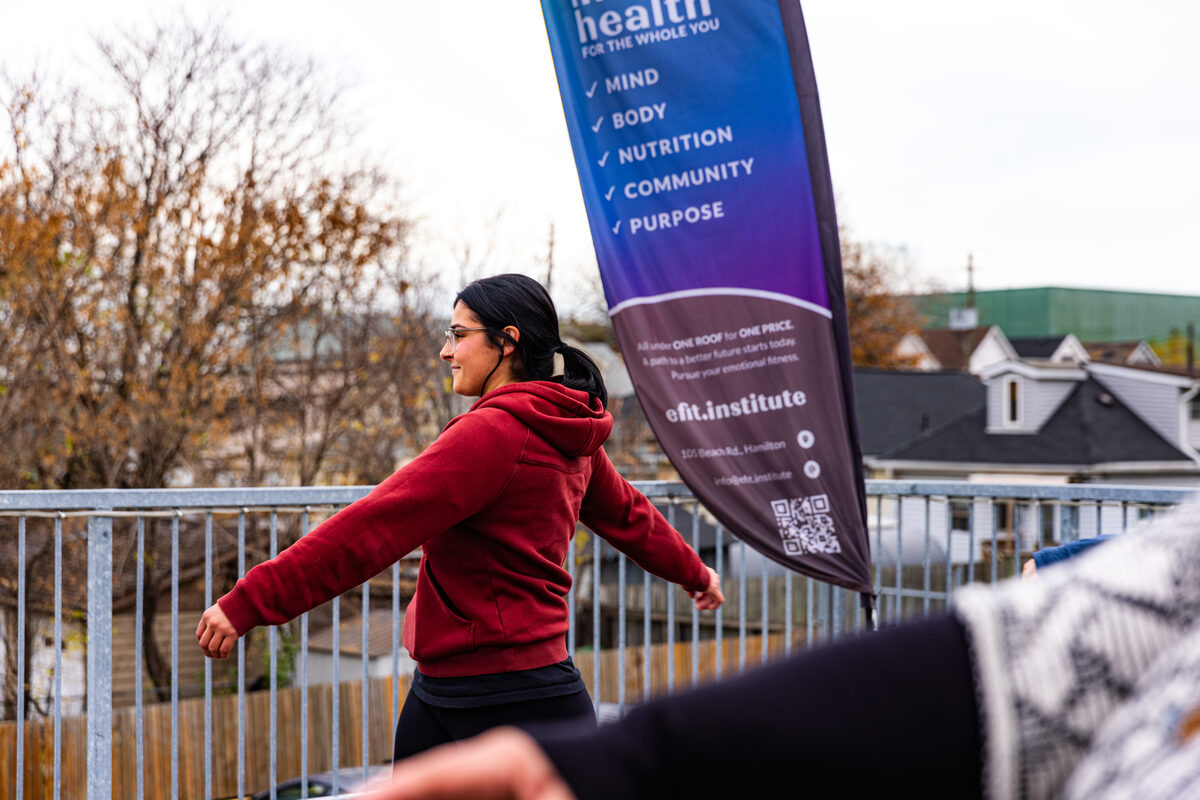
The emphasis is on physical experience, strength, mobility, skill, energy, mental health, and the person's relationship with their body. The training environment is intentionally body-neutral and does not require someone to pursue a particular aesthetic ideal.
For some people, this creates an opportunity to experience the body in a new way. Attention can gradually shift from how the body looks from the outside to what it is capable of doing and how it feels from the inside.
This is particularly important for people with a history of eating disorders, compulsive exercise, or significant appearance-based shame. Movement should support recovery rather than become another way of controlling the body.
An Integrated Approach to Body Image at eFIT
Body image concerns can affect eating, movement, sexuality, relationships, clothing, social behaviour, mood, and willingness to participate in everyday life. A coordinated model can therefore be useful when the concern extends across several domains.
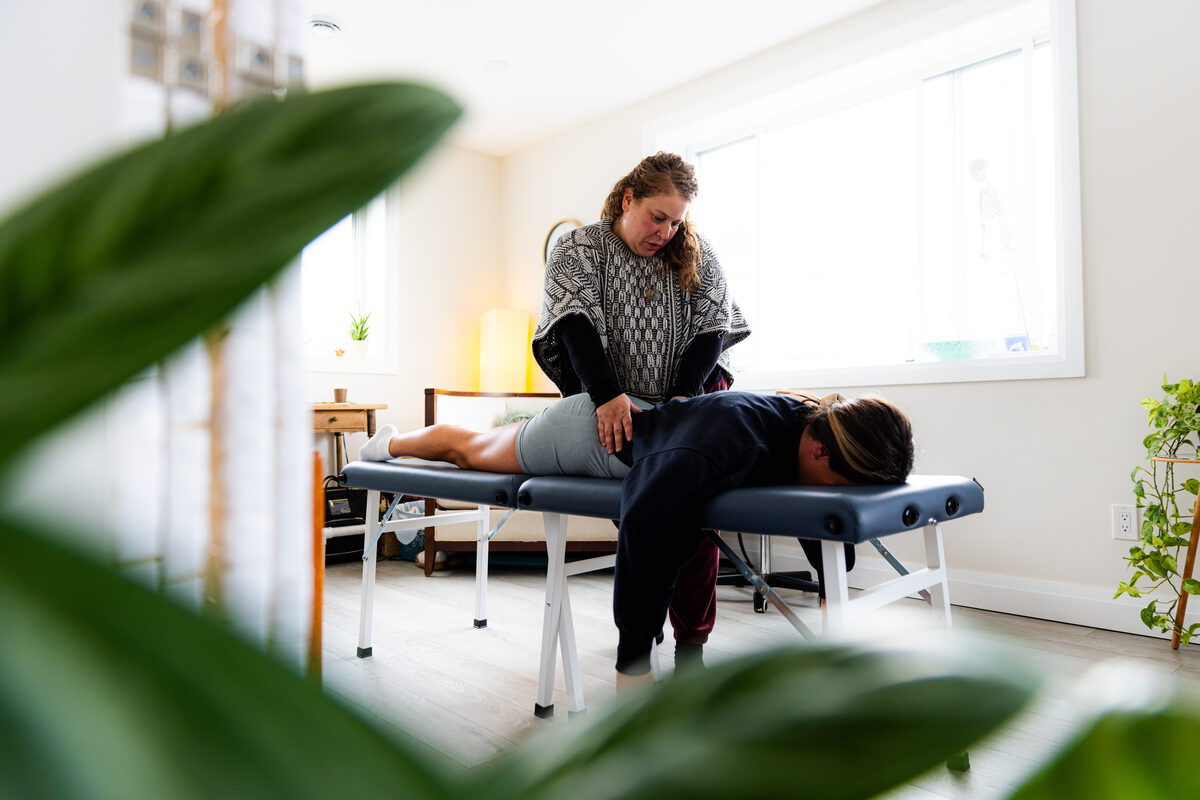
Psychotherapy can address shame, comparison, checking, avoidance, perfectionism, and appearance-based self-worth. Nutrition support may be appropriate when dieting, restriction, binge eating, or food rules are also present. Somatic work can help someone develop greater awareness of the body as a lived physical experience rather than primarily an object being evaluated from the outside.
Movement can help rebuild physical confidence when introduced in a way that does not reinforce appearance goals. Community can also be helpful because body image difficulties often produce secrecy, comparison, and withdrawal.
Not every person requires all of these services. Treatment is based on the actual pattern and the degree to which body image concerns are affecting other areas of psychological and physical health.
What Improvement Can Look Like
Body image recovery does not necessarily mean loving every photograph or never noticing something you would prefer to change.
A more meaningful change is that appearance takes up less space.
You can see a photograph you dislike without thinking about it for the rest of the day. You can get dressed without changing repeatedly. You can walk into a room without immediately ranking your body against everyone else's. You can eat without constantly calculating what the meal will do to your appearance.
You become less dependent on mirrors and reassurance. You stop postponing experiences until your body changes. Movement becomes something you participate in rather than something you use to correct yourself.
There may still be moments of dissatisfaction, particularly in a culture where appearance is difficult to ignore. The difference is that those moments carry less authority.
Emotional Fitness in body image work means being able to live fully in a body that does not need to meet an ideal standard before your life can begin.
Frequently Asked Questions
Body image therapy may be useful when appearance concerns consume significant time, cause distress, lead to avoidance or checking, affect eating or exercise, interfere with relationships or intimacy, or meaningfully influence your sense of self-worth.
Body dissatisfaction is common and can vary considerably in severity. BDD involves persistent preoccupation with perceived appearance flaws and repetitive behaviours such as checking, comparing, grooming, or reassurance seeking, with significant distress or impairment. Assessment can help clarify the difference.
No. Body image treatment does not require constant body positivity. For many people, body neutrality is a more realistic goal. The emphasis is on reducing preoccupation, judgment, and avoidance so that appearance has less control over daily life.
Yes. Body image concerns can occur independently of eating disorders. Treatment can focus specifically on appearance preoccupation, checking, comparison, avoidance, shame, and self-worth.
Not necessarily, nor is that the goal. Caring about appearance is normal. Treatment aims to make appearance one part of how you experience yourself rather than the primary determinant of confidence, behaviour, or worth.
You don’t have to figure this out alone.
Body image concerns become especially painful when appearance begins determining what you wear, where you go, how you eat, whether you exercise, how comfortable you feel with other people, or how you evaluate yourself.
eFIT provides body image therapy in Hamilton, Ontario, integrating psychotherapy with nutrition, somatic work, and body-neutral movement when clinically appropriate.