

Evolve Therapy Program
Healing happens most powerfully when it isn't done alone.
What's Included
The Evolve Therapy Membership is eFIT's comprehensive therapy program for people who want to understand and change longstanding emotional patterns with more support than a single therapy session can provide. Psychotherapy sits at the centre of Evolve, with group and individual therapeutic work supported throughout the week by somatic practice, movement, nutrition, and community.
Psychologist-led group therapy is at the core of the Evolve model. Our groups are grounded primarily in Emotion-Focused Therapy (EFT) and provide a consistent place for members to understand their emotional patterns, work directly with difficult experiences, and develop new ways of relating to themselves and others. Rather than functioning as support groups or psychoeducational classes, these are active therapy groups where members engage in meaningful emotional work under the guidance of experienced psychologists.
Individual therapy is incorporated according to each member's treatment plan, creating space to work more intensively with personal experiences, trauma, shame, self-criticism, relationship patterns, or other areas requiring focused attention. Because individual and group therapy sit within the same broader program, treatment can develop coherently rather than feeling like a collection of separate services.
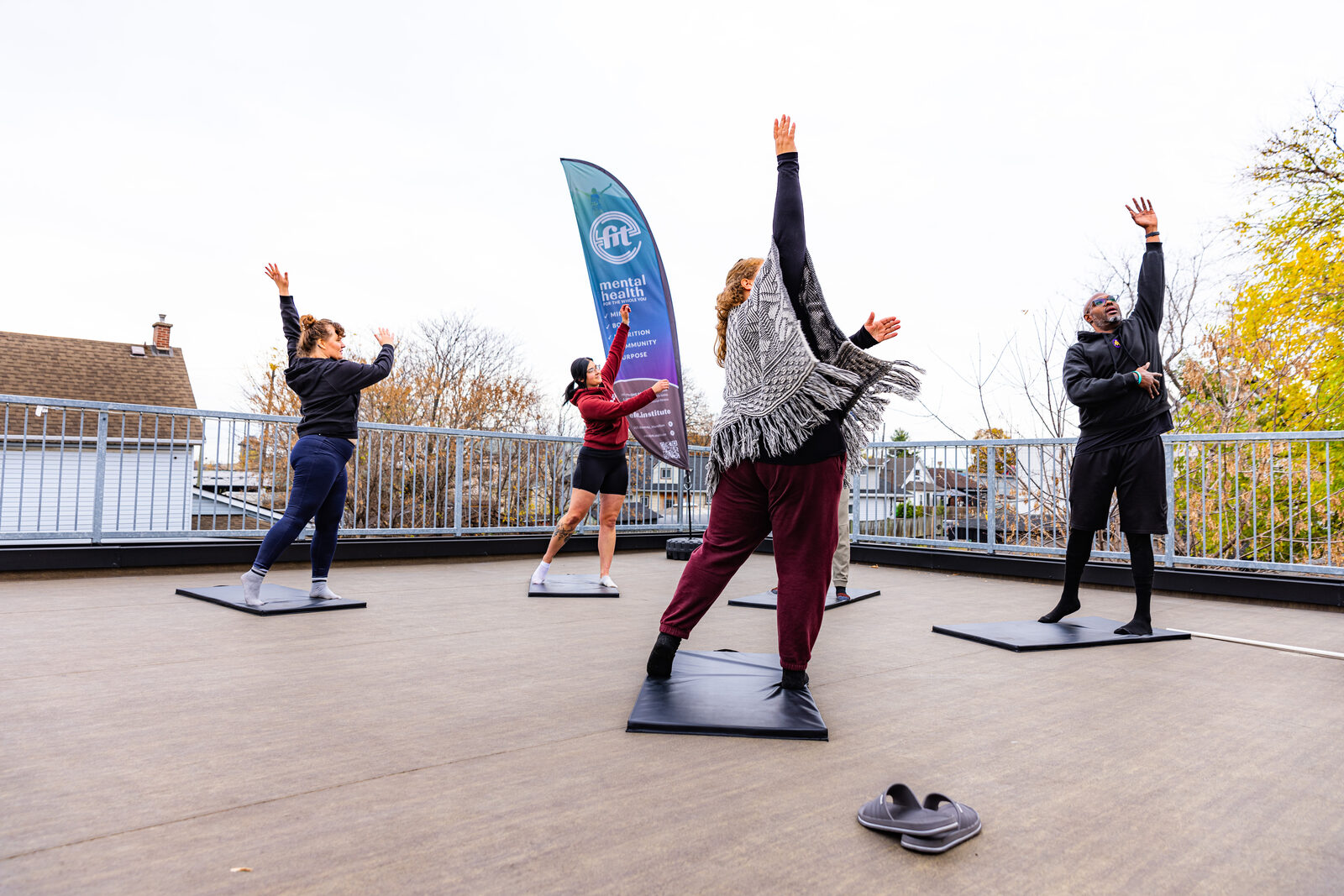
Evolve also extends treatment beyond the therapy room. Members have access to somatic classes that develop awareness of physiological and emotional states, movement designed around mental and physical health, nutritional education and support for developing a more balanced relationship with food, and a community of people engaged in their own psychological work. These components are not intended to replace psychotherapy. They provide additional settings in which members can practise regulation, reconnect with their bodies, build supportive routines, and translate therapeutic change into everyday life.
How the Program Unfolds
Evolve begins with understanding. Early in treatment, we work with you to develop a detailed picture of the emotional, behavioural, relational, and physiological patterns shaping your current difficulties. This includes understanding what tends to trigger distress, how you respond when difficult emotions arise, the ways you have learned to cope, and the earlier experiences that may have shaped these responses.
Insight, however, is only one part of treatment. Our approach is grounded primarily in Emotion-Focused Therapy, which means therapy gradually moves from understanding emotional patterns toward working with them directly. Members may learn to recognize emotions that have been difficult to access, differentiate vulnerable feelings from secondary reactions such as anger, anxiety, numbness, or self-criticism, process unresolved grief or painful experiences, develop healthier anger and assertiveness, and change deeply held emotional meanings about themselves and their relationships.
Group therapy adds an important dimension to this work because many emotional difficulties are experienced in relationship. Within the group, members hear experiences that challenge shame and isolation while also having opportunities to notice their own relational patterns as they occur. Learning to express emotion, receive support, tolerate vulnerability, communicate needs, navigate discomfort, and remain connected to other people can become part of the therapy itself.
Throughout the week, the broader Evolve environment helps members bring this work into lived experience. Somatic practice develops greater awareness of the body and physiological regulation. Movement can support mood, physical confidence, energy, and resilience. Nutrition can support adequate nourishment, physical health, and a more stable relationship with food. Community provides repeated opportunities for connection outside the formal therapy setting.
The program therefore does not unfold as a rigid sequence in which one component ends and another begins. Different parts of Evolve become more or less important depending on the member, their treatment goals, and where they are in the process. The clinical team can adapt treatment over time as new patterns emerge and needs change.
Therapy as Part of Everyday Life
One of the challenges of conventional weekly psychotherapy is that a great deal of life happens between appointments. Insight gained during a session can be meaningful, but change ultimately has to occur in the relationships, routines, emotional experiences, and decisions that make up the rest of the week.
Evolve was designed with that gap in mind. A member may recognize a pattern of self-criticism in therapy, notice how it appears during movement, experience the vulnerability of discussing it with other members, and begin responding differently when the same pattern appears at work or in a relationship. Someone learning to recognize emotional overwhelm may begin noticing its physical signs earlier through somatic practice and become more capable of intervening before reaching complete shutdown or escalation.
This is what we mean by developing emotional fitness. The aim is to build greater capacity to understand, experience, regulate, and respond to emotion within the circumstances of everyday life. Therapy provides the depth and clinical direction, while the broader program creates repeated opportunities to put that work into practice.
A Treatment Plan That Can Change With You
People enter Evolve with different histories and different clinical needs. Some are working through trauma or longstanding relationship patterns. Others struggle with anxiety, depression, emotional dysregulation, shame, eating or body image concerns, burnout, or a combination of difficulties that do not fit neatly into a single diagnosis.
For that reason, Evolve is not a standardized treatment package in which every member follows exactly the same path. Your clinical team develops an understanding of what is maintaining your difficulties and which aspects of the program are most relevant to your treatment. The emphasis can change as you progress.
There may be periods when individual therapy becomes particularly important, periods when significant work is occurring within the group, and periods when rebuilding routines, movement, nourishment, regulation, or connection becomes more central. The benefit of an integrated program is that these elements can respond to one another rather than being treated as unrelated parts of health.
Who It's For
Evolve is designed for adults who want a more comprehensive and structured approach to psychological treatment. It can be particularly valuable for people dealing with longstanding or recurring emotional difficulties, including trauma and PTSD, anxiety, depression, borderline personality disorder and emotional dysregulation, eating and body image concerns, relationship difficulties, shame and self-criticism, grief, burnout, and major life changes.
It may also be a good fit for people who have previously benefited from individual therapy but recognize that insight has not always translated into change outside the therapy room. Evolve provides more opportunities to work experientially, practise new ways of responding, and receive support across different parts of the week.
The program requires a willingness to participate actively in treatment and to engage with the broader therapeutic environment. Our intake process is designed to understand what you are experiencing, what you hope to change, and whether Evolve offers an appropriate level and structure of care for your needs.
An Integrated Approach to Emotional Health
Evolve reflects the broader clinical philosophy of eFIT: psychological health is influenced by emotion, relationships, behaviour, physical health, the body, and the environments in which we live. Effective treatment sometimes requires working across several of these areas while maintaining a clear therapeutic focus.
That integration is what distinguishes Evolve. Psychotherapy remains the clinical foundation, particularly Emotion-Focused Therapy delivered through individual and group work. The broader membership then creates a setting in which emotional change can be reinforced through the body, daily routines, movement, nourishment, and connection with others.
Rather than therapy being one hour that happens separately from the rest of your life, Evolve creates a therapeutic environment in which the work can continue throughout the week.